TAS Alum Ashley Cosme Selected to Explore the Pacific Aboard E/V Nautilus
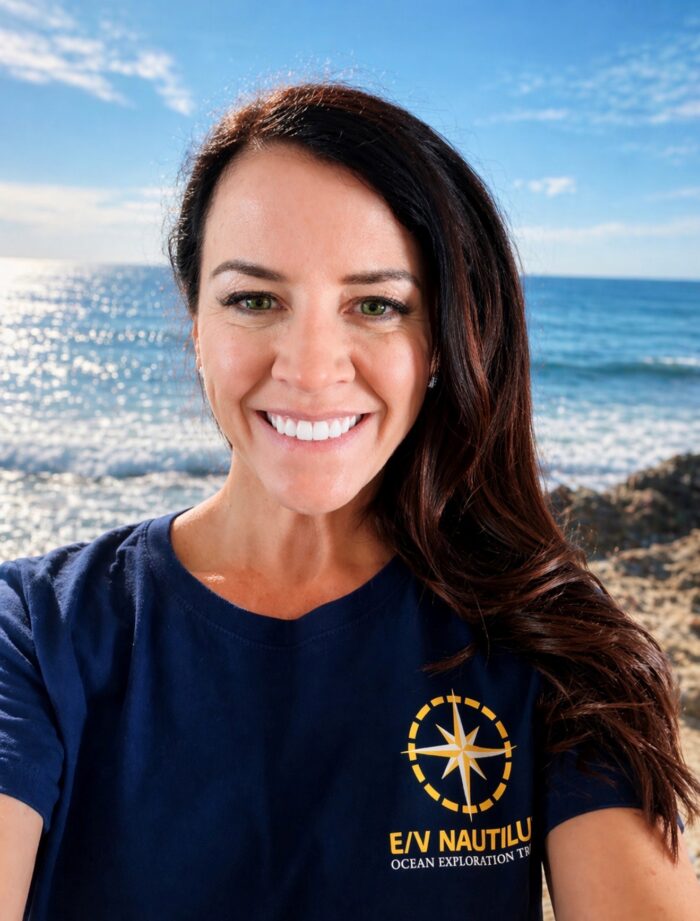
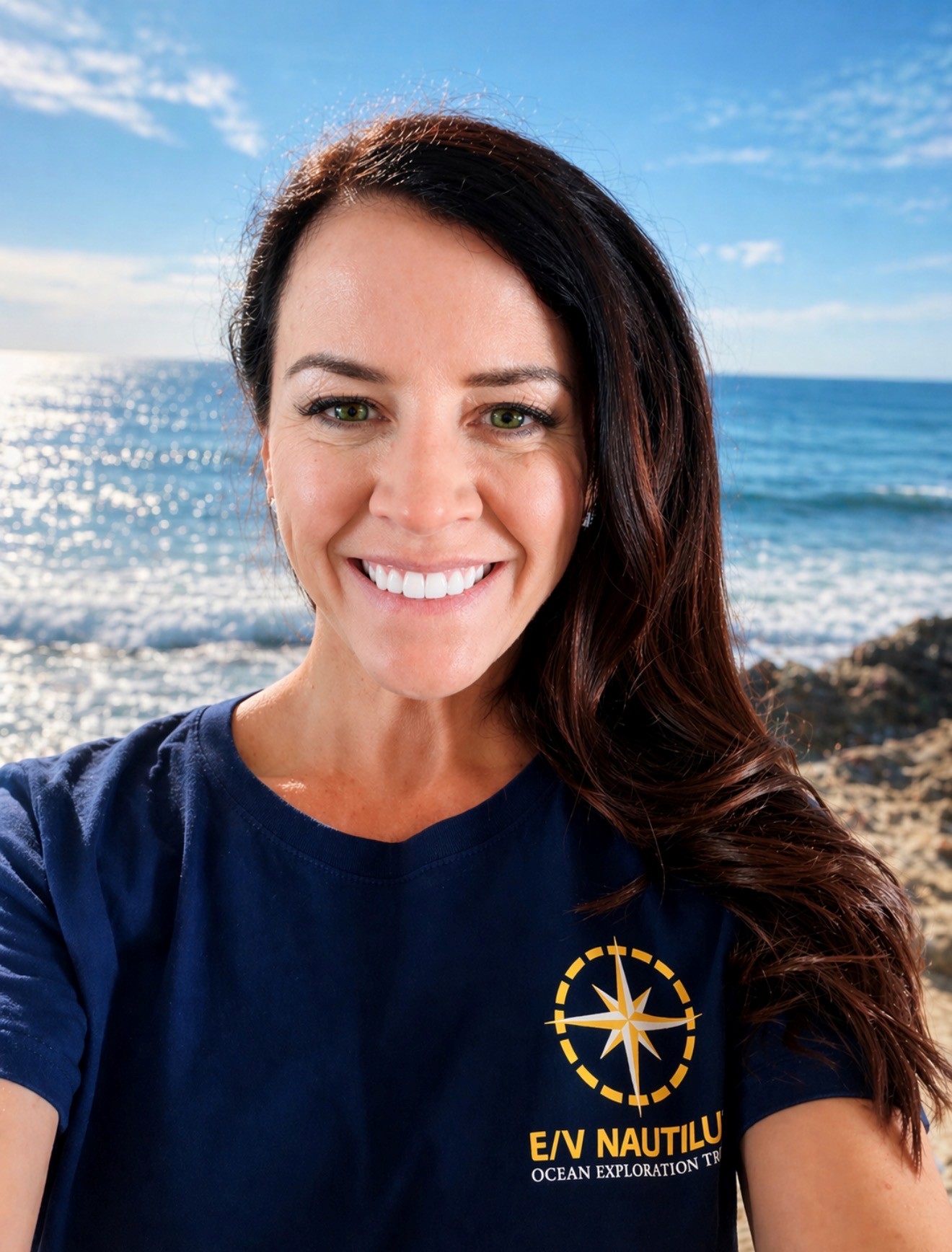
We are thrilled to share that Ashley Cosme (TAS, 2018) has been selected as a 2026 Science Communication Fellow with Ocean Exploration Trust (OET) and will sail this summer aboard the E/V Nautilus as part of a deep-ocean exploration team. Chosen from a global pool of applicants, Ashley joins 14 Fellows from schools, science centers, and nonprofit organizations across the Pacific and North America. She will take part in a 23-day expedition in June and July to explore the Mariana region—one of the most tectonically and volcanically active places on Earth.
Using remotely operated vehicles (ROVs), mapping, and telepresence technology, the Nautilus team will investigate deep-sea habitats including abyssal plains, seamounts, and other priority exploration areas that support science and resource management priorities.
Ashley’s selection feels especially fitting after participating in TASAA’s Project ROVe program in 2024 at Olympic Coast National Marine Sanctuary, where she learned to build ROVs for the classroom. Now, she’ll experience cutting-edge ROV operations firsthand.
What excites me the most about this opportunity is how I can take this firsthand experience of exploration and storytelling and inspire curiosity and stewardship among my own students.
Participating in the Science Communication Fellowship will allow me to bring the thrill and wonder of deep-sea exploration directly to my community.
– Ashley Cosme, Crown Point High School, Indiana
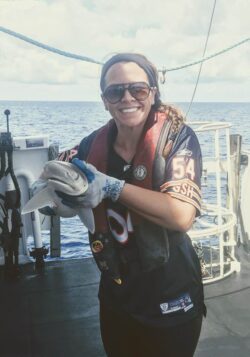
Lucky for us, the adventure won’t stay at sea! Through NautilusLive.org, Ashley will connect with learners worldwide through live-streamed dive commentary, Q&A sessions, and outreach events back on land. Schools and community groups can schedule free, live one-on-one Q&A sessions with explorers aboard the ship beginning in June.
The OET Science Communication Fellowship brings educators on board Nautilus to engage students and the public in the wonders of ocean exploration while sharing discoveries from the mission and aspects of daily life aboard a working exploration vessel. Throughout the year, Fellows develop their science communication skills, attend in-person professional development training, and spend several weeks as a crucial part of the team aboard E/V Nautilus. Fellows bring ocean exploration back to their home communities by incorporating their experiences into lesson plans, community presentations, and other educational opportunities.
Every expedition we run adds to what the world knows about our ocean — but knowledge only matters if it reaches people.
– Allison Fundis, OET’s President & Chief Operating Officer
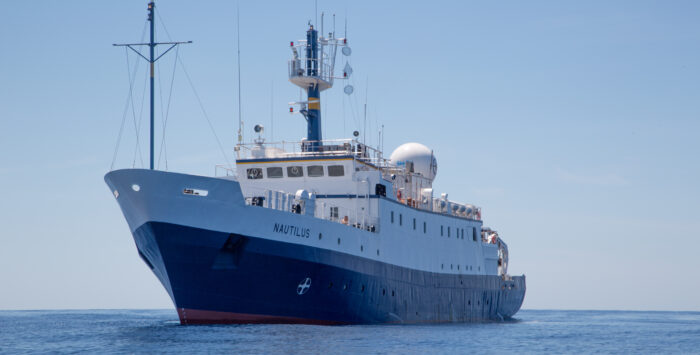
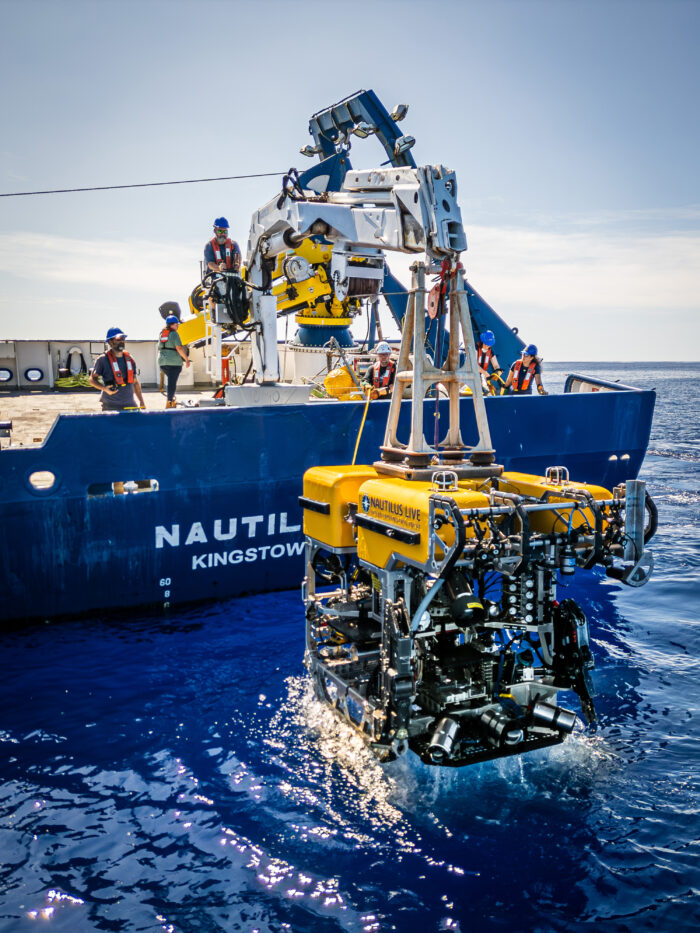
Founded by Dr. Robert Ballard, the non-profit Ocean Exploration Trust uses exploration and technology to expand ocean knowledge and inspire the next generation of scientists, engineers, and ocean explorers.
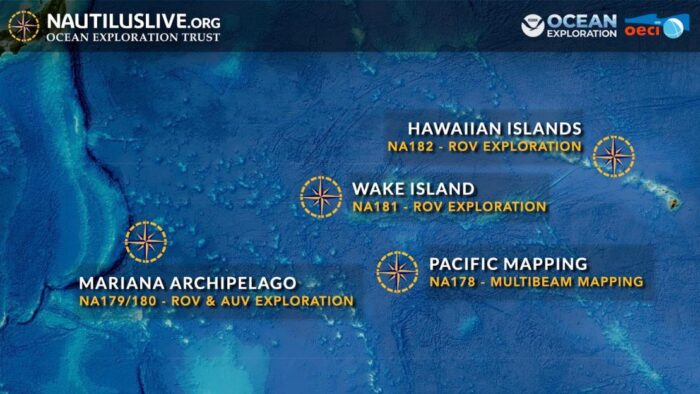
OET’s five 2026 expeditions will take the team to the Mariana Islands, near Wake Island, and the Hawaiian Islands. The expeditions will build ocean knowledge that supports international scientific and U.S. government priorities, particularly by advancing understanding of ocean changes, sharing that knowledge with others, and contributing new discoveries and data to inform future conservation and resource management decisions.
Follow the expedition:
Instagram @NautilusLive | Facebook @NautilusLive | Blue Sky @nautiluslive.org | YouTube @EVNautilus
Note: This spotlight was created with information from an Ocean Exploration Trust Press Release
Related Items
Catherine Fuller and Brandy Hill Join Expeditions as National Geographic Society and Lindblad Expeditions 2023 Grosvenor Teacher Fellows
Drifter Buoy, Launched by Sue Cullumber (2013), Travels 528 Nautical Miles
Four Teacher at Sea Alumni Present Posters at the International Teacher Scientist Partnership Conference in Boston
NOAA Ships Fairweather and Rainier Celebrate 50 Years at Sea